
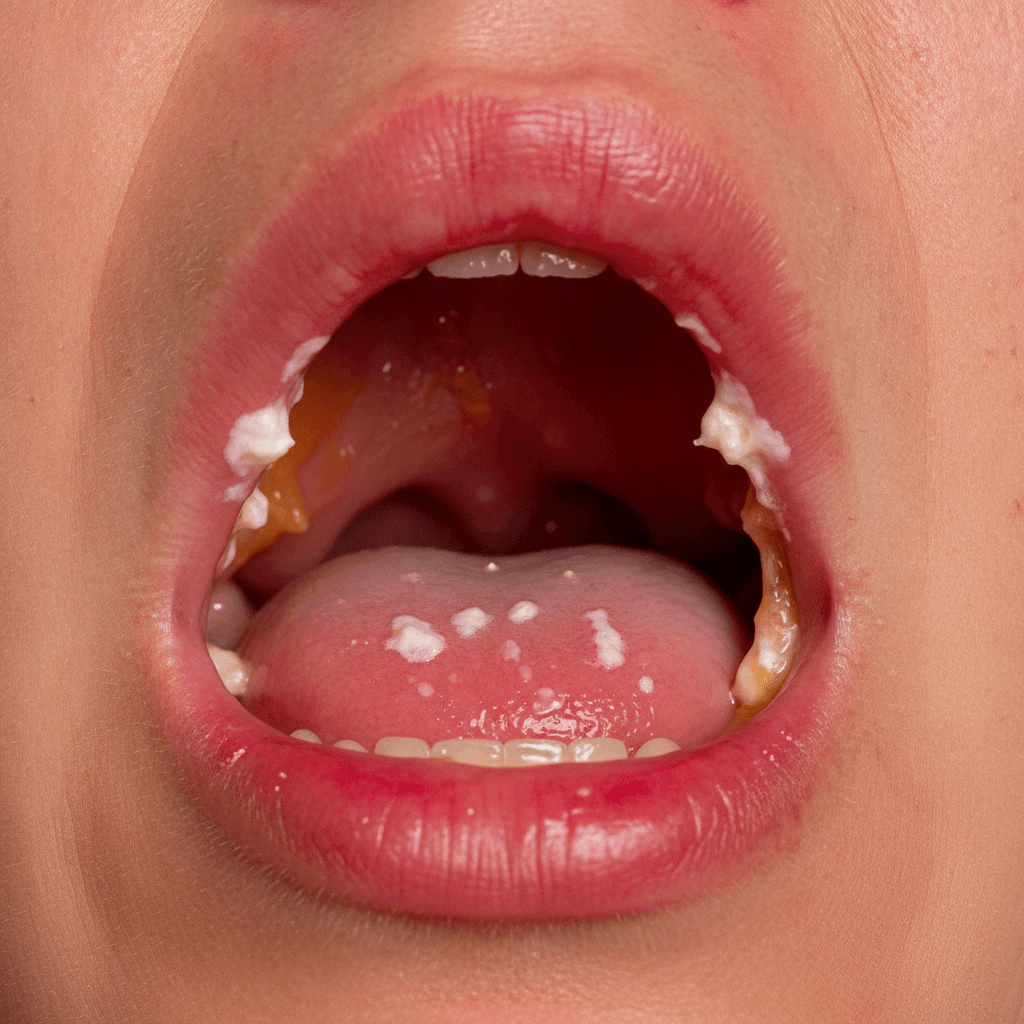
Strep throat is a common bacterial infection that can cause a sore, scratchy throat. While often mild, untreated strep throat can lead to more serious complications, making early detection of strep throat symptoms crucial. At Kennesaw Primary Care, we believe in empowering our patients with the knowledge to recognize these signs and seek timely medical attention. Understanding the nuances of symptoms can help you know when it's time to visit your primary care provider.
Understanding Strep Throat Symptoms
Recognizing the classic strep throat symptoms can help you determine when to seek professional medical advice. Unlike a common cold, strep throat is caused by bacteria (Group A Streptococcus) and typically does not present with cold-like symptoms such as a cough or runny nose. Key indicators often include:
Sudden onset of a sore throat: Often very painful and making swallowing difficult.
Red and swollen tonsils: Sometimes with white patches or streaks of pus.
Tiny red spots (petechiae): On the soft or hard palate.
Fever: Typically 101°F (38.3°C) or higher.
Headache: A common accompanying symptom.
Nausea or vomiting: Especially prevalent in younger children.
Body aches: General malaise and muscle soreness.
Swollen, tender lymph nodes: In the neck.
It's important to note that some individuals may carry the strep bacteria without showing any symptoms, while others might experience only a few of these signs. This is why a professional diagnosis is always recommended.
When Strep Throat Mimics Other Conditions
Differentiating from Viral Infections and Sinus Issues
Sometimes, what feels like strep throat could actually be a viral infection or even related to sinus problems. Viral sore throats often come with cough, runny nose, and sneezing – symptoms rarely associated with strep. However, other conditions can also cause similar discomfort that might lead to confusion.
For instance, an infection in your sinuses can lead to symptoms that might overlap. You might experience acute sinusitis symptoms such as facial pain or pressure, and concerns about nasal congestion causes, along with a headache. If these symptoms persist for more than 10-12 days, or if they worsen after initial improvement, they could point to chronic sinus infection signs. Seeking acute & chronic care is important for managing such conditions. Many patients look for sinus pressure relief through home remedies or over-the-counter medications, but if a severe headache from sinus infection or intense facial pain sinuses occurs, it's wise to get evaluated by a medical professional.
While strep typically doesn't cause nasal congestion, severe post-nasal drip from sinus issues can irritate the throat, leading to a sore throat that might be mistaken for strep. Knowing the distinct differences can guide your next steps.
The Importance of Early Detection and Treatment
Prompt diagnosis and treatment of strep throat are vital to prevent potential complications. Untreated strep can lead to serious issues like rheumatic fever, a severe inflammatory condition that can affect the heart, joints, brain, and skin. It can also cause kidney inflammation (post-streptococcal glomerulonephritis). Fortunately, antibiotics are highly effective in treating strep throat, shortening the duration of symptoms, and significantly reducing the risk of developing these severe complications and spreading the infection to others. Our Kennesaw Primary Care team is equipped to accurately diagnose and treat strep throat, guiding you toward a swift recovery.
When to See a Doctor for Strep Throat Symptoms
If you or a family member suspects strep throat, it's always best to consult a healthcare provider. While many sore throats are viral and resolve on their own, only a doctor can accurately diagnose strep throat through a rapid strep test or a throat culture. You should definitely schedule an appointment if you experience any of the following:
A sore throat that is severe and comes on suddenly.
Sore throat accompanied by a fever of 101°F (38.3°C) or higher.
Red and swollen tonsils with white patches or pus.
Difficulty swallowing or breathing.
A rash, especially a sandpaper-like rash (scarlet fever).
Known exposure to someone with strep throat.
Don't wait if you're experiencing these signs. Early intervention is key. If you're experiencing severe or persistent issues, including those related to potential sinus infections, and you're wondering when to see a doctor for sinus infection or for suspected strep throat, Kennesaw Primary Care is here to help. We offer comprehensive preventive & routine care and urgent appointments to address your health concerns quickly and efficiently. Our goal is to provide personalized, compassionate care for all our patients.
For more details about our approach to patient care, visit our About Us page or contact us directly to schedule an appointment. We look forward to being your partners in health.