High LDL Cholesterol: Causes, Risks, Symptoms, and How to Lower It
Understanding your cholesterol levels is a crucial step in maintaining good health, and perhaps none is more talked about than High LDL cholesterol. Often referred to as "bad cholesterol," elevated LDL levels can significantly increase your risk of serious health complications. At Kennesaw Primary Care, we believe in empowering our patients with knowledge to take control of their well-being. This post will explore the causes, potential risks, and effective strategies for managing and lowering high LDL cholesterol.
What Exactly is High LDL Cholesterol?
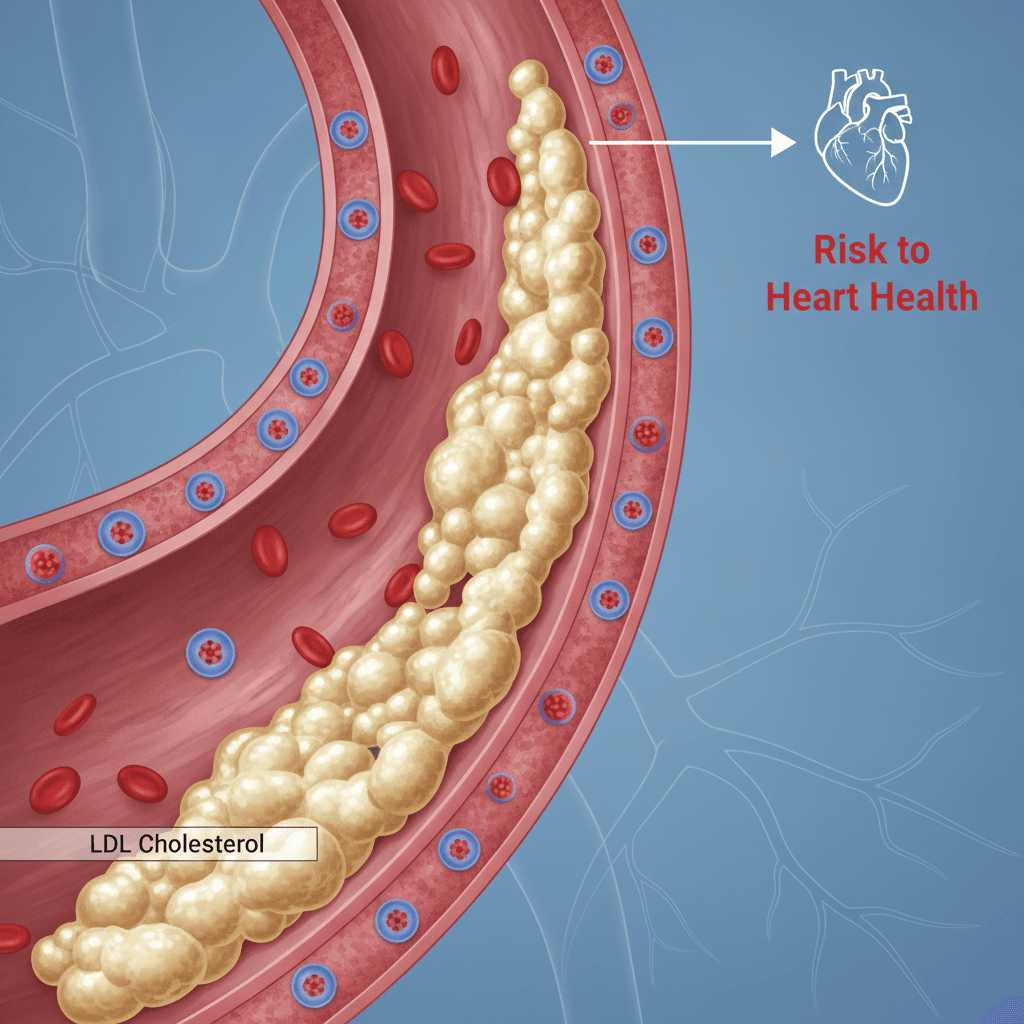
Cholesterol is a waxy, fat-like substance found in all your body's cells. It's essential for making hormones, vitamin D, and substances that help you digest food. There are two main types of cholesterol: High-density lipoprotein (HDL), known as "good cholesterol," and Low-density lipoprotein (LDL), often called "bad cholesterol." When we talk about LDL cholesterol levels, we're referring to the amount of this "bad" type circulating in your blood. High levels can lead to plaque buildup in your arteries, a condition called atherosclerosis, which narrows the arteries and restricts blood flow.
Causes and Risks of Elevated LDL Cholesterol
What are the High LDL Causes?
Several factors contribute to elevated bad cholesterol. While some are beyond our control, many can be managed through lifestyle choices:
Diet: A diet high in saturated and trans fats (found in red meat, full-fat dairy, processed foods, and fried items) is a primary contributor.
Genetics: Family history plays a significant role. Some people inherit genes that cause their liver to produce too much LDL cholesterol.
Lack of Physical Activity: Regular exercise helps raise HDL (good) cholesterol and lower LDL cholesterol.
Obesity: Carrying excess weight tends to increase LDL cholesterol and decrease HDL cholesterol.
Smoking: Smoking damages blood vessel walls, making them more likely to accumulate fatty deposits. It also lowers HDL cholesterol.
Age and Gender: As people age, cholesterol levels tend to rise. Before menopause, women often have lower total cholesterol levels than men, but after menopause, women's LDL levels can increase.
Underlying Medical Conditions: Conditions such as uncontrolled diabetes, kidney disease, and even certain thyroid issues (like an underactive thyroid) can contribute to higher LDL levels. If you're experiencing thyroid problems symptoms like fatigue, weight gain, or sensitivity to cold, it's worth discussing with your doctor.
The Dangers: Why High LDL is a Risk
The primary risk of high LDL cholesterol is its link to cardiovascular disease. Over time, the plaque buildup in your arteries can harden and narrow them, leading to:
Heart Attack: If plaque ruptures, a blood clot can form, blocking blood flow to the heart.
Stroke: A blocked artery supplying blood to the brain can cause a stroke.
Peripheral Artery Disease (PAD): Narrowed arteries in the limbs, often the legs.
Recognizing LDL Cholesterol Symptoms
One of the most concerning aspects of high LDL cholesterol is that it typically presents no noticeable LDL cholesterol symptoms. This means you can have dangerously high levels without feeling sick, which is why it's often called a "silent killer." The only way to truly know your cholesterol levels is through a simple blood test called a lipid panel, usually performed after a period of fasting.
It's important to differentiate this lack of direct symptoms from other health concerns. For instance, while high cholesterol doesn't cause immediate symptoms, comprehensive primary care considers your entire health picture. During routine check-ups, your provider will assess for various conditions. For example, if you've been experiencing general weakness, blurred vision, confusion, or even persistent tiredness, these could be hypotension symptoms, indicating a need to investigate low blood pressure causes rather than high cholesterol. Similarly, if you notice signs of low blood pressure such as fainting or consistent dizziness from low blood pressure, your doctor can help with appropriate hypotension treatment and general wellness strategies.
How to Lower LDL Cholesterol and High Cholesterol Treatment
The good news is that how to lower LDL cholesterol often involves actionable steps. At Kennesaw Primary Care, we work with patients to develop personalized strategies.
Lifestyle Modifications: Your First Line of Defense
Heart-Healthy Diet: Focus on fruits, vegetables, whole grains, lean proteins, and healthy fats (avocado, nuts, olive oil). Limit saturated and trans fats, and reduce dietary cholesterol.
Regular Exercise: Aim for at least 150 minutes of moderate-intensity aerobic exercise per week. Even brisk walking can make a difference.
Maintain a Healthy Weight: Losing even a small amount of weight can significantly improve your cholesterol levels. Our specialized wellness programs can offer guidance and support.
Quit Smoking: This is one of the most impactful changes you can make for your heart health.
Limit Alcohol: Moderate alcohol consumption may have some benefits, but excessive drinking can raise cholesterol.
Medical Interventions
For some, lifestyle changes alone may not be enough. In such cases, your doctor might recommend medication as part of a comprehensive high cholesterol treatment plan. Statins are the most common and effective drugs for lowering LDL cholesterol, but other options are available depending on your specific needs and health profile. Regular follow-ups with your primary care provider are essential to monitor your progress and adjust treatment as necessary.
Take Control of Your Cholesterol with Kennesaw Primary Care
Don't wait for symptoms to appear. Understanding and managing your cholesterol levels is a vital part of preventive and routine care. Regular screenings allow us to detect high LDL cholesterol early and intervene before it leads to more serious health issues. Our team is dedicated to helping you achieve optimal health through comprehensive care, from diagnosis and education to personalized treatment plans.
If you have concerns about your cholesterol, or it’s time for your annual physical, we encourage you to contact us to schedule an appointment. We're here to help you navigate your health journey and provide the support you need.